Physiotherapy
How Gentle Recovery Care Supports Daily Movement
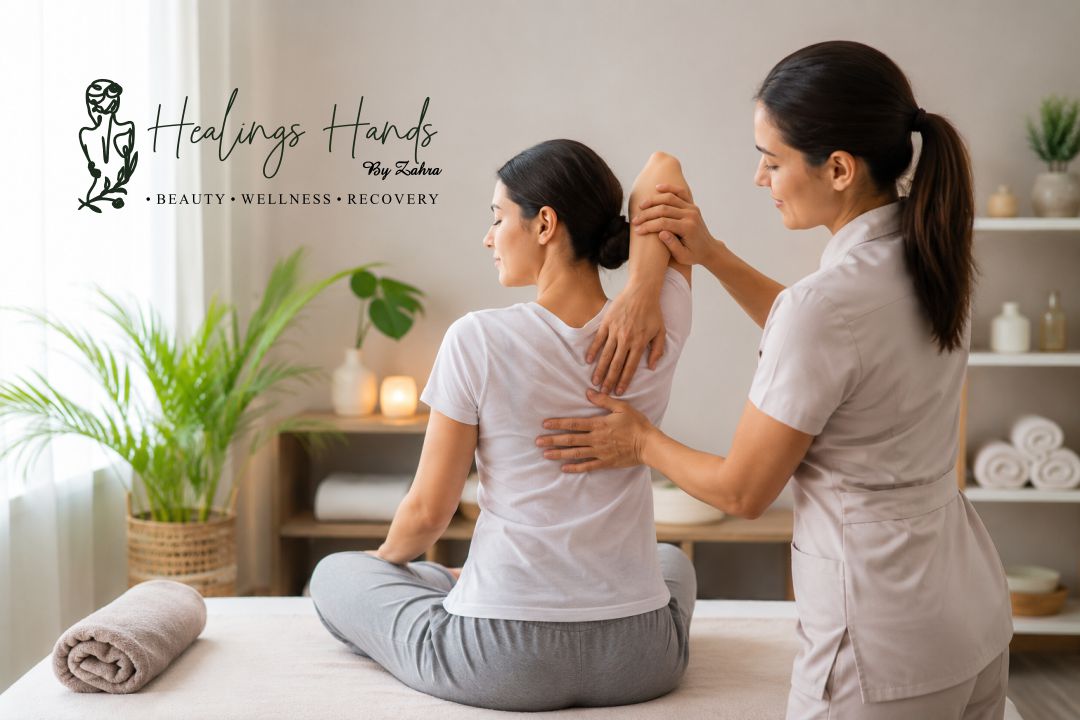
In today’s fast-moving lifestyle, many people experience body stiffness, muscle fatigue, poor posture, and daily discomfort caused by long working hours, stress, lack of movement, or physical strain. Gentle recovery care is becoming an important part of maintaining a healthy and active routine because it helps the body recover naturally without intense treatments or aggressive methods.
Whether someone spends hours sitting at a desk, performs physically demanding work, or simply wants to feel more relaxed and mobile, recovery-focused wellness practices can improve the way the body moves every day.
Understanding Gentle Recovery Care
Gentle recovery care focuses on supporting the body’s natural healing and relaxation process. It includes therapies and wellness techniques designed to reduce tension, improve circulation, encourage flexibility, and restore physical comfort.
Unlike high-impact treatments, gentle recovery methods are calming, supportive, and suitable for people of different ages and lifestyles. These therapies often include:
- Relaxation therapy
- Postural correction support
- Pain management techniques
- Stretching and mobility guidance
- Manual wellness therapies
- Holistic recovery practices
The goal is simple: help the body move more comfortably and efficiently in daily life.
Why Daily Movement Matters
Daily movement is essential for overall well-being. Walking, bending, lifting, climbing stairs, or even sitting correctly all depend on healthy muscles, joints, and posture. When the body becomes tight or stressed, even simple activities can feel uncomfortable.
Poor recovery habits may lead to:
- Muscle stiffness
- Reduced flexibility
- Neck and back discomfort
- Joint pressure
- Poor posture
- Low energy levels
Gentle recovery care helps reduce these issues by improving body balance and physical comfort.
Supporting Flexibility and Mobility
One of the biggest benefits of gentle recovery care is improved mobility. Tight muscles and restricted joints can limit movement and create discomfort during normal activities.
Recovery-focused therapies help by:
- Relaxing tense muscles
- Improving blood circulation
- Supporting joint flexibility
- Encouraging smoother body movement
As flexibility improves, everyday actions such as walking, stretching, or carrying items become easier and more comfortable.
Helping with Posture and Body Alignment
Modern lifestyles often involve long hours of sitting, mobile phone usage, and limited physical activity. Over time, these habits can affect posture and body alignment.
Gentle posture correction and recovery techniques help the body return to a more natural position. Better posture can reduce pressure on the spine, shoulders, and neck while improving overall comfort throughout the day.
Good posture also supports:
- Better balance
- Reduced body strain
- Easier breathing
- Improved movement efficiency
Reducing Physical Stress and Fatigue
Daily stress affects both the mind and body. Physical tension often builds in areas such as the shoulders, lower back, legs, and neck. Gentle recovery care encourages relaxation, helping muscles release built-up stress.
Relaxation-based therapies can help people feel:
- More refreshed
- Less physically tired
- More comfortable during movement
- Mentally calmer and balanced
When the body feels relaxed, movement naturally becomes smoother and less restricted.
Supporting Active Lifestyles
People who exercise regularly, travel often, or work in physically active environments may experience muscle soreness or fatigue. Gentle recovery practices can support faster physical recovery and help maintain consistency in daily activities.
Recovery care may assist with:
- Muscle relaxation after activity
- Improved circulation
- Reduced stiffness
- Better recovery between active days
This allows the body to stay energized and prepared for everyday movement.
A Holistic Approach to Wellness
Gentle recovery care is not only about physical comfort. It also supports overall wellness by encouraging mindful self-care and healthy movement habits.
Holistic wellness guidance may include:
- Breathing techniques
- Relaxation practices
- Stretching routines
- Lifestyle awareness
- Recovery-focused habits
Small recovery practices done consistently can make a noticeable difference in daily comfort and mobility.
Final Thoughts
Gentle recovery care plays an important role in supporting healthy daily movement. By reducing physical tension, improving flexibility, supporting posture, and encouraging relaxation, it helps the body function more comfortably in everyday life.
Whether someone wants relief from daily stiffness, support for an active routine, or simply a calmer and more balanced body, recovery-focused wellness practices can offer long-term benefits for movement, comfort, and overall well-being.
Tags: